« Back to Pillar Page: The Profit Engine
Scaling B2B: How to Choose Cloud Hosting and CRM for Your Vertical SaaS
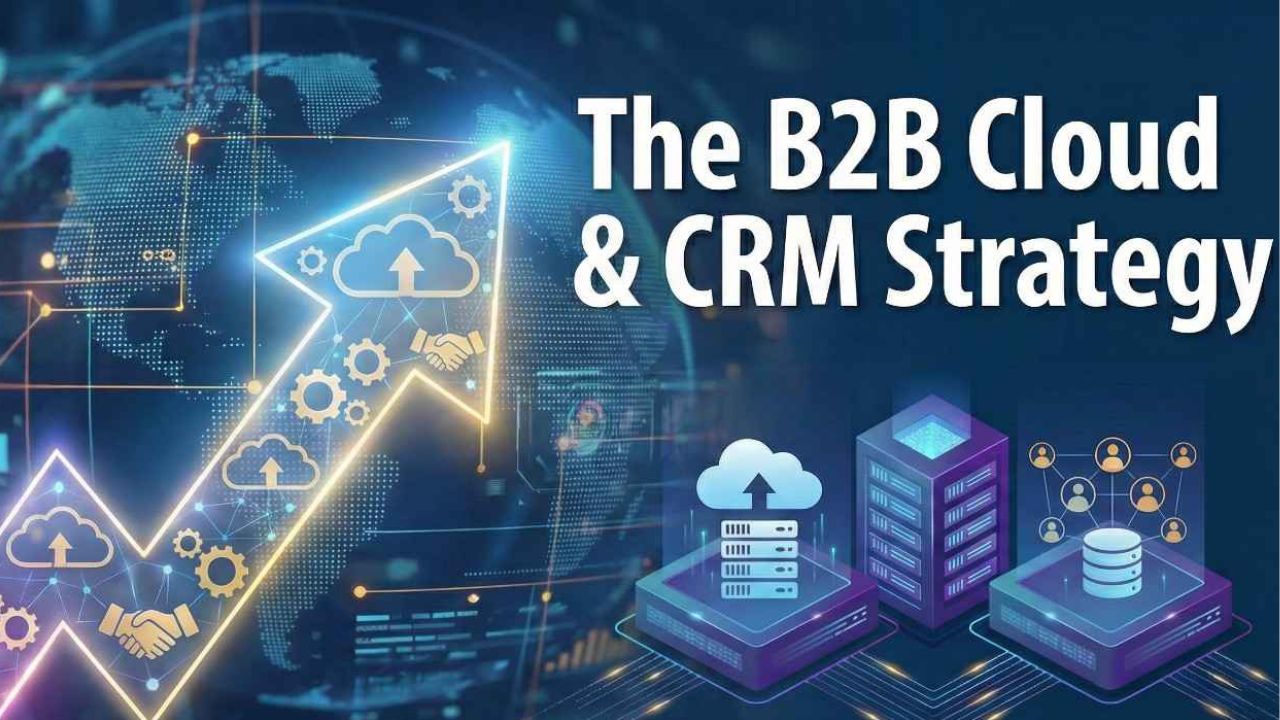
If you are building specialized software for a specific industry (Vertical SaaS), your cloud setup is not just a technical detail. It determines if you make a profit or lose money to expensive server bills. It also determines if enterprise clients will trust you with their data. This guide explains how to choose the right Enterprise Cloud Hosting and CRM Software to grow your business in markets like India.
1. Cloud Hosting: Building on a Strong Foundation
Your B2B software needs a home that can grow with you. The first step is picking the right provider.
A. Choosing a Provider: AWS vs. Azure vs. Google Cloud
For most big companies, the choice comes down to the "Big Three":
- AWS (Amazon): The most popular choice. It has the most tools, but it can get expensive if you don't watch your usage carefully.
- Azure (Microsoft): Great if your customers already use Microsoft software (like Office 365 or Outlook). It is very popular with large traditional enterprises.
- GCP (Google): Known for being great with Data and AI. It often offers very competitive pricing for startups in India.
B. Modern Architecture: How to Build It
To serve big clients, you can't build your software as one giant block. You need a modern approach.
- Managed Kubernetes: Think of this as a way to package your software so it runs anywhere. It lets you scale up easily when you get more customers.
- Serverless: This allows you to run code without managing any servers at all. You only pay when the code actually runs, which saves a lot of money on idle time.
- Infrastructure as Code (IaC): Instead of manually clicking buttons to set up servers, you write code (using tools like Terraform) to do it automatically. This prevents human error.
2. FinOps: Controlling Your Costs
The cloud gives you unlimited power, but it also sends you the bill. FinOps is the practice of managing that bill.
- Best Practices: Don't let engineers spin up expensive servers without approval. Set budget alerts so you know if you are overspending immediately.
- Optimization Tools: Use tools that scan your cloud account and tell you: "Hey, you are paying for this server but nobody is using it. Turn it off."
- Migration Strategy: If you move to the cloud, plan your costs before you move, not after.
3. Reliability & Compliance: Earning Trust
Big companies will not buy your software if it crashes or if it isn't secure.
A. Staying Online (High Availability)
You need to aim for "Five Nines" (99.999% uptime). To do this, you use High Availability Architecture.
This means if a data center in Mumbai goes down, your software automatically switches to a data center in another zone without the user noticing. Disaster Recovery as a Service (DRaaS) helps you automate this switching process.
B. Following the Law (Compliance)
If you sell to industries like healthcare or finance, you have strict rules.
- Healthcare: You need HIPAA compliant hosting. This ensures patient data is encrypted and safe.
- Finance: You may need to ensure data stays within India (Data Residency). You must choose a cloud provider that has data centers in the specific region required by law.
4. The Growth Engine: CRM Software
Your CRM (Customer Relationship Management) holds all your customer data. For Vertical SaaS, a standard CRM isn't enough.
- The Leaders: Salesforce and HubSpot are the top choices for enterprises. They are safe, secure, and scalable.
- Integration is Key: Your CRM needs to "talk" to your software. If a customer uses your product, that data should show up in the CRM so your sales team can see it.
- Partners: Connecting these systems is hard. You might need a Salesforce integration partner to help you set it up correctly so data flows smoothly.
Conclusion
Scaling a B2B business isn't just about selling more. It is about building a system that can handle the growth. By choosing the right cloud provider, watching your costs with FinOps, ensuring you are compliant with industry laws, and connecting your CRM to your product, you build a machine that is ready for enterprise success.
Frequently Asked Questions (FAQ)
Q1: What is FinOps?
A: FinOps is short for "Financial Operations." It is a practice where your finance and engineering teams work together to track cloud spending. It stops you from wasting money on cloud servers you don't need.
Q2: Serverless vs. Managed Kubernetes: Which is better?
A: It depends. "Serverless" is great for saving money on tasks that don't run all the time (you only pay when it runs). "Managed Kubernetes" is better for complex, always-on applications that need full control. Most big companies use both.
Q3: What makes Vertical SaaS hosting different?
A: Vertical SaaS serves specific industries like healthcare or banking. This means the hosting must follow strict laws (like HIPAA in healthcare). You cannot just use any server; it must be certified secure for that specific industry.
Q4: How do I avoid "Vendor Lock-in"?
A: Vendor lock-in happens when you build your software so deeply into one cloud (like AWS) that you can't leave. To avoid this, use open-source tools like Kubernetes and Terraform. These tools work on AWS, Azure, and Google Cloud, letting you switch if needed.

Sources and References
The following are the authentic sources referenced in this guide: