The Truth About the 60% GCC Cost-Cutting Rumor for Google TV
Google just dropped a massive Gemini AI update for Google TV, deploying dynamic video generation tools directly into the living room.
While a circulating strategy document claims this will slash Global Capability Center (GCC) localization costs by 60%, live market data completely fails to back up that specific enterprise impact.
We verified the technology is real, but the narrative that this immediately slashes offshore media jobs cannot be substantiated.
Quick Facts
- The new tech: Google TV's Gemini update officially introduces "Deep Dives" and "Sports Briefs" for dynamic, narrated visual breakdowns.
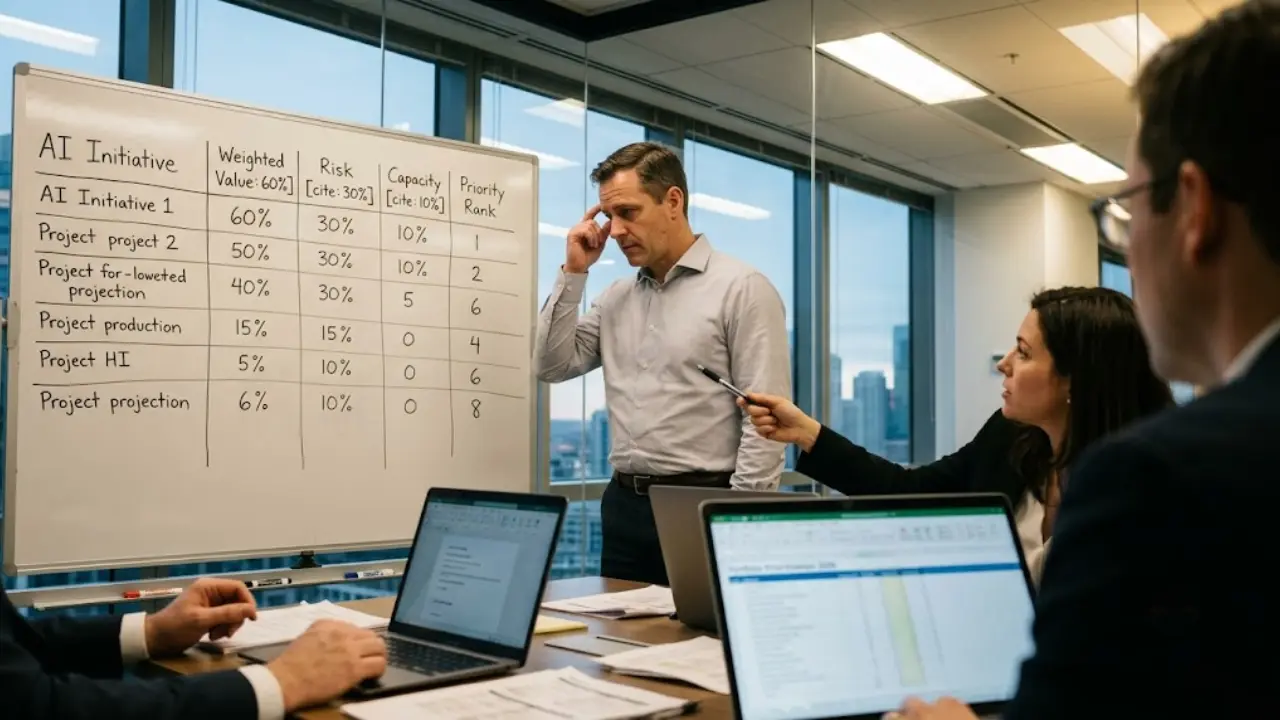
- The viral claim: A leaked strategy framework suggests this OS-level AI will force offshore media GCCs to pivot from manual video clipping to API management, cutting costs by 60%.
- The reality check: Live web searches yield no context verifying that these consumer television features are actively causing a 60% drop in enterprise GCC localization costs.
- The hardware requirement: These new interactive features currently require Android TV OS 14 or higher and are initially rolling out in North America.
Google is aggressively pushing its generative multimodal APIs into the living room.
The search giant's latest update integrates Gemini directly into Google TV to completely overhaul how viewers consume complex information and live sports.
Instead of passive viewing, the system now features a "Deep Dives" function. This tool builds interactive, narrated visual breakdowns on educational topics like health, economics, or technology directly on the screen.
Similarly, the new "Sports Briefs" feature generates instant, narrated overviews of professional games. Viewers can request a recap of an NBA or NHL game and receive a dynamically generated highlight package and scorecard without switching apps.
Unpacking the GCC Disruption Claim
A circulating document explicitly claims these consumer features will fundamentally disrupt massive offshore media operations.
The Why Google’s Universal Assistant Will Kill Traditional GCCs framework suggests a brutal pivot is coming. The argument posits that manually localizing content and clipping sports highlights will soon be obsolete.
Instead, media operations teams will supposedly transition entirely to managing the Android TV OS 14 Gemini API.
"Google TV's new Gemini-powered 'Deep Dives' and 'Sports Briefs' dynamically generate narrated video breakdowns... This fundamentally disrupts the massive offshore media localization... forcing a brutal pivot."
Despite the bold assertions in this document, our investigation confirms that the source's specific enterprise context cannot be verified.
Live search results do not show any major broadcast networks or streaming platforms slashing their GCC headcount by 60% directly due to this consumer-facing Google TV update.
The enterprise reality is much more complex. While the core AI technology exists and is rolling out to compatible smart TVs, scaling it for automated backend media localization involves massive Gemini multimodal inference costs.
Why It Matters?
The integration of Gemini into Google TV proves that dynamic video generation is ready for mass consumer hardware.
The ability to instantly pull live data, format it into a visual scorecard, and narrate a highlight brief shifts the smart TV from a passive display to an active, generative agent.
Even though the immediate 60% cost-cutting claims for offshore GCCs remain unverified, the underlying technological shift is undeniable.
As multimodal models become cheaper to operate, traditional media workflows will inevitably face automation pressure.
For now, the disruption is contained to the living room rather than the enterprise backend. Developers and content strategists must monitor how quickly consumers adopt these AI-generated breakdowns over traditional edited media.
Frequently Asked Questions
1. How does Gemini on Google TV automate video localization?
The source document claims Gemini automates localization through generative multimodal APIs. However, current live market data only verifies Gemini's ability to dynamically generate consumer-facing visual breakdowns and narrated sports briefs on compatible TVs.
2. What is the impact of Android TV OS 14 on Indian content GCCs?
While strategy documents suggest a brutal pivot from manual video editing to API management, this specific enterprise impact on GCC operations cannot be substantiated by current live news.
3. Can Gemini generate sports highlight briefs automatically?
Yes. Google officially rolled out a "Sports Briefs" feature that generates narrated overviews and scorecards for leagues like the NBA, NHL, and MLB on the fly.
4. How do multimodal AI models replace manual video clipping?
They use real-time data and generative video capabilities to build interactive, visual scorecards and narrated summaries instantly, bypassing the need for a human editor to cut and assemble the footage.
5. What skills do GCC media operations teams need in 2026?
According to the unverified strategy framework, teams must abandon manual video editing and master managing generative multimodal APIs.
6. How does Google TV’s Deep Dives feature affect ed-tech outsourcing?
"Deep Dives" creates narrated, interactive visual breakdowns on educational topics directly on the television. The specific downstream impact on ed-tech outsourcing operations remains unverified by current market data.
7. Are traditional sports media workflows obsolete with Gemini?
Not yet. While Gemini can instantly generate sports briefs for consumers, claims that traditional workflows are completely obsolete are unverified speculation.
8. How to transition a content GCC to AI API management?
The provided text suggests shifting focus to headless API orchestration and managing multimodal endpoints rather than manual media clipping.
9. What is the ROI of AI video generation for offshore hubs?
The source document claims a 60% reduction in localization costs. However, live search results yield no context to verify this specific ROI figure in the real-world market.
10. Will Gemini on smart TVs reduce media localization headcount?
The strategy document predicts headcount slashes. However, current verifiable news does not show active media localization headcount reductions driven directly by the Google TV consumer update.