Javascript on your browser is not enabled.

The Secret to Agile AI Infrastructure on a Tight Budget

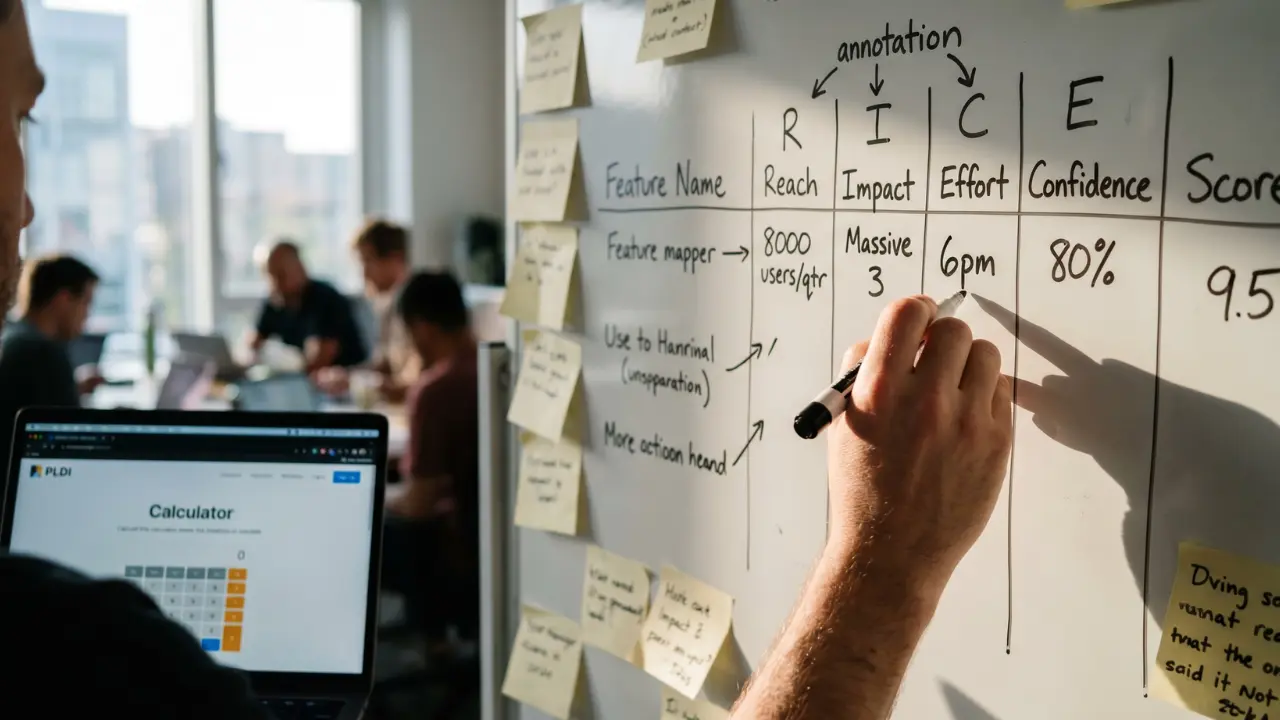
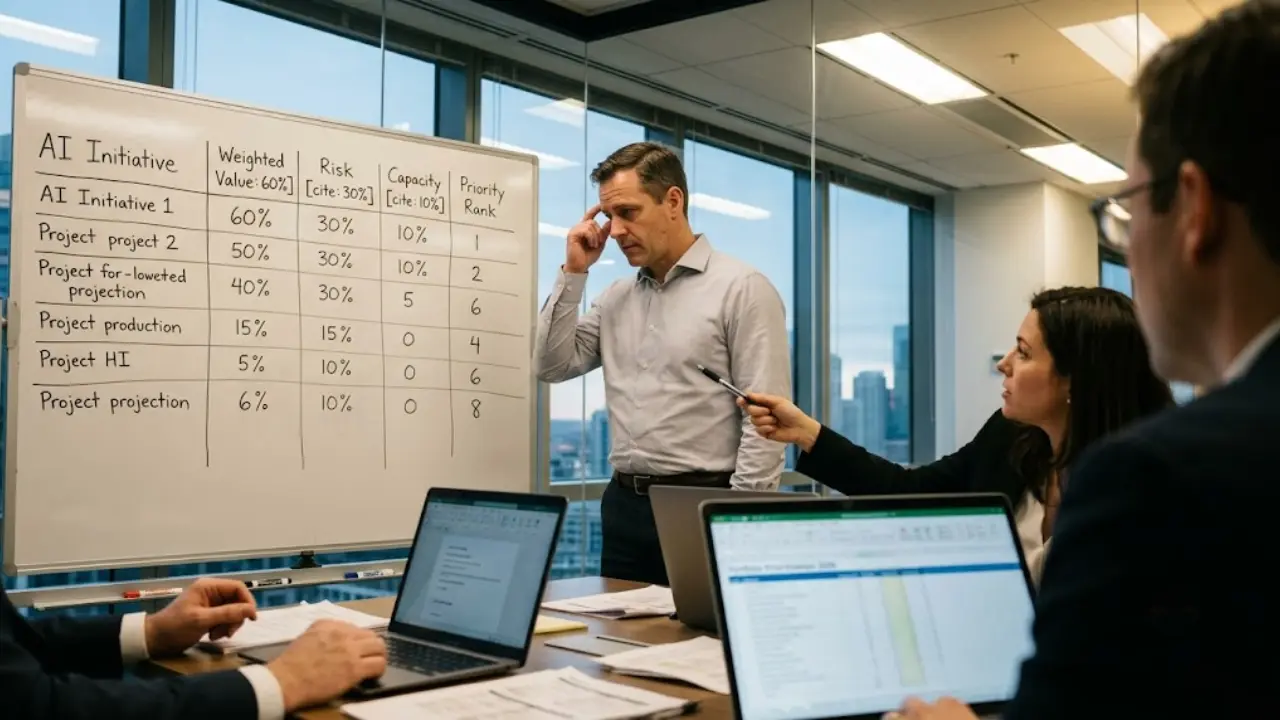
Visualization of agile AI infrastructure frameworks and cloud budget optimization
Executive Snapshot: The Bottom Line
  • FinOps Governance: Implement strict, sprint-based financial caps and automated alerts to halt runaway compute spend during experimental development.
  • Serverless Agility: Transition from monolithic, always-on AI deployments to scalable, on-demand serverless frameworks to eliminate idle compute waste.
  • Model Downsizing: Swap massive default LLMs for smaller, task-specific open-source models optimized for single-function micro-tasks.

Everyone wants enterprise-grade generative AI, but nobody wants to talk about the crippling cloud bills that follow an unoptimized launch.

Scaling foundational hardware linearly to match expected AI output is a fundamentally flawed financial strategy that leads directly to cloud bankruptcy.

By building an Agile AI infrastructure on a tight budget, teams can deploy leaner, serverless architectures that drastically slash infrastructure costs without sacrificing deployment speed.

As detailed in our master guide on Why the Nvidia Stock Surge Dooms AI Budgets, securing your 2026 tech spend requires severing ties with legacy compute models immediately.

The Core Mechanics of Lean AI Development

The rush to deploy generative AI features has caused engineering teams to completely abandon standard financial operations.

They attempt to mirror the limitless spending of Big Tech, assuming that throwing raw compute at a problem will solve architectural flaws.

This brute-force method ignores the reality of modern cloud economics. True optimization demands a fundamental shift towards highly constrained environments.

Front-end developers and data scientists must operate under strict utilization caps, treating token consumption as a precious resource rather than an infinite utility.

Escaping the Hardware Monopoly

When technical leads analyze Nvidia aktie and the future of enterprise GPU costs, they quickly realize that maintaining always-on cloud instances is a losing battle.

The hardware monopoly dictates premium pricing, forcing downstream API providers to pass those margins directly to your enterprise.

Monolithic vs. Agile AI Infrastructure

Architecture Type Upfront CapEx Idle Waste Best Use Case
Always-On Reserved Instances High Severe Massive, predictable 24/7 continuous inference.
Serverless GPU Frameworks Zero Minimal Bursty workloads, prototype testing, standard B2B SaaS.
Local Micro-Models (Edge) Low Zero High-privacy data processing, offline environments.

To combat this, teams must isolate their experimental development from production environments.

Prototyping should be done using fractional GPUs or serverless endpoints that spin down to zero when not in active use.

Expert Insight: "Vibe Coding" Governance

Implement hard API caps at the developer level. Ensure your frontend engineers utilizing modern AI coding assistants have strict daily token limits.

This "Vibe Coding" governance prevents isolated scripts from racking up thousands in background processing fees during a single sprint.

The Hidden Trap: Why Buying Compute Masks Bad Code

What most teams get wrong about AI infrastructure is the assumption that a larger context window or a faster GPU will fix their output quality.

The actual bottleneck in 2026 isn't hardware availability; it is a severe lack of data discipline and architectural efficiency.

Buying more compute power often masks inefficient code, unoptimized system prompts, and lazy database querying.

Instead of refining their retrieval-augmented generation (RAG) pipelines, teams stuff massive amounts of irrelevant text into the context window and let the LLM sort it out.

This lazy architecture directly translates to bloated monthly invoices. Every unnecessary token processed is a fraction of a cent drained from your IT budget.

Agile infrastructure forces teams to compress data, optimize prompts, and use the smallest possible model for the job.

Transitioning to Production

Moving an AI prototype to production cheaply requires ruthless auditing.

Before launching any new feature on AI DEV DAY platforms, engineering teams must validate the exact token cost per task.

If the automated task costs more in compute than the human labor it replaces, the architecture fails the agile test.

Conclusion

Stop letting external hardware monopolies dictate your internal operational success.

By enforcing FinOps governance, migrating to serverless GPU endpoints, and rejecting the monolithic LLM standard, you can scale intelligently.

Stop burning cash and start engineering for efficiency.

Code faster and smarter. Get instant coding answers, automate tasks, and build software better with BlackBox AI. The essential AI coding assistant for developers and product leaders. Learn more.

BlackBox AI - AI Coding Assistant

We may earn a commission if you purchase this product.

Frequently Asked Questions (FAQ)

What is Agile AI infrastructure?

Agile AI infrastructure is a lean, adaptable cloud computing framework that prioritizes serverless deployments, localized micro-models, and strict FinOps governance. It allows organizations to scale compute power dynamically based on exact user load, minimizing idle waste and avoiding massive upfront hardware investments.

How to build scalable AI systems with limited seed funding?

Startups must avoid multi-year cloud compute contracts and monolithic LLMs. Instead, build scalable systems using open-source micro-models deployed on serverless GPU endpoints. This ensures you only pay for the exact compute milliseconds used during active inference, keeping burn rates low.

Can Agile sprint methodologies actually reduce AI cloud costs?

Yes. By applying Agile sprint methodologies, teams can enforce strict token consumption limits per sprint cycle. This isolates experimental development costs, forces developers to write highly optimized code, and prevents runaway background API calls from destroying the monthly budget.

What are the best open-source tools for lean AI infrastructure?

The best lean infrastructure tools include lightweight orchestration frameworks like LangChain or LlamaIndex combined with optimized inference engines like vLLM. Deploying highly quantized models from Hugging Face allows teams to run complex tasks on significantly cheaper, lower-tier cloud hardware.

How to scale AI hardware dynamically based on user load?

Dynamic scaling requires transitioning away from reserved cloud instances to auto-scaling serverless architectures. By utilizing load balancers and containerized microservices, the infrastructure automatically spins up additional GPU resources during peak traffic and scales down to zero during downtime.

What is the role of FinOps in Agile AI product development?

FinOps acts as the critical financial guardrail in AI development. It involves cross-functional collaboration between engineering and finance to track real-time token usage, forecast downstream cloud costs, and ensure that the compute spend for an AI feature never exceeds its generated business value.

How to transition from an AI prototype to production cheaply?

Transitioning cheaply requires segmenting environments. Run prototypes on local machines or free-tier APIs to test logic. Before production, compress prompts, implement aggressive query caching to prevent redundant LLM calls, and migrate the validated workflow to a cost-effective serverless cloud provider.

Are serverless GPUs a good option for tight enterprise budgets?

Serverless GPUs are the absolute best option for tight budgets facing unpredictable workloads. Because billing is calculated per millisecond of actual execution time, enterprises completely eliminate the financial drain of paying for idle, always-on hardware instances during low-traffic periods.

How to manage technical debt in fast-moving AI projects?

Manage technical debt by maintaining modular architectures. Never hardcode a specific LLM vendor into your primary application layer. Use API gateways and abstraction layers so you can seamlessly swap out expensive commercial models for cheaper open-source alternatives as the technology evolves.

What are the most common AI budget pitfalls for startups?

The biggest pitfalls include signing fixed-rate compute contracts without downgrade clauses, failing to implement token usage caps during debugging, and over-relying on massive commercial LLMs for simple text classification tasks that could be handled by much smaller, free models.

Sources & References