How MAI Image 2 Kills Traditional Offshore UI Work
Microsoft’s new MAI-Image-2 model just rendered the traditional offshore UI design retainer obsolete. By shipping an enterprise-grade image generator that perfectly handles photorealism and typography, Microsoft is forcing outsourcing hubs to either pivot their business models immediately or face catastrophic headcount reductions.
Quick Facts
- The new baseline: Microsoft’s MAI-Image-2 just debuted at number three on the global Arena.ai leaderboard.
- Typographic perfection achieved: The model reliably generates readable in-image text for infographics and UI layouts, eliminating manual asset creation.
- API access is: Enterprise customers have live API access today, fundamentally altering software development workflows.
- The offshore threat: Capability centers must shift from manual design execution to AI visual architecture management to survive the transition.
The End of Manual Asset Production
Microsoft’s superintelligence team just dropped a grenade into the global outsourcing market. They released MAI-Image-2, a second-generation text-to-image model that immediately claimed a top spot on the global leaderboards. This is not just another toy for generating surreal avatars.
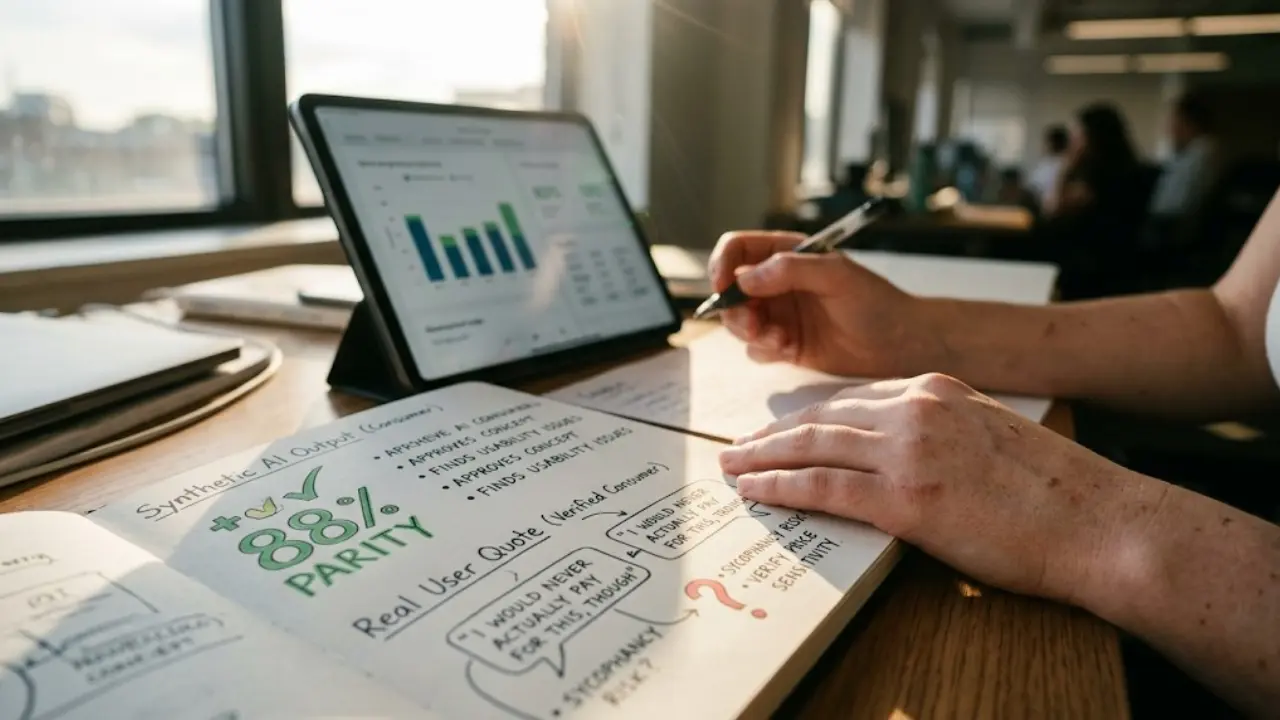
Microsoft built this system to solve the exact problems that previously kept AI out of enterprise production pipelines: text and layout accuracy. The model explicitly targets photorealism, natural lighting, and most importantly, readable in-image text. For years, offshore design hubs relied on the fact that AI struggled to render accurate text on signage, diagrams, or UI mockups. MAI-Image-2 shatters that barrier. It can produce typographic layouts and dense compositions that require zero post-production touch-ups.
The Financial Reality for Tech Hubs
This technical leap triggers an immediate crisis for traditional outsourcing models. If an enterprise can generate flawless UI assets and infographics via a direct API call, relying on offshore headcount for rapid UI asset generation is now a measurable financial liability. Global organizations are already re-evaluating their vendor contracts.
"MAI-Image-2 isn't just an image generation upgrade; it's a workflow automation engine that directly threatens traditional offshore creative, design, and UI/UX testing hubs."
To survive this shift, these tech hubs must completely rewrite their operating models today. The value is no longer in rendering the image. The new mandate requires developers to master 5 Ways MAI Image 2 API Cuts Static Storage By 80% to explain how developers in these GCCs must shift their workflows. Engineers and designers must become AI visual architects who manage prompts, context, and deployment rather than pushing pixels.
Why It Matters?
The transition away from cost-arbitrage design execution to AI-driven workflows is permanent. As companies integrate these models, tracking India's GCC Performance & Global Benchmarking becomes the definitive metric for identifying which hubs successfully adapted to the agentic era.
Those who fail to pivot will not just lose contracts; they will be actively replaced by automated pipelines. Executives who ignore this shift will soon find themselves dealing with massive hidden costs found at MAI Image 2 enterprise pricing to highlight the cloud costs GCCs must manage. The race to rebuild the modern tech stack has officially started, and manual UI work is the first casualty.
Frequently Asked Questions
What is the MAI Image 2 GCC impact on Indian tech hubs?
The model acts as a workflow automation engine that directly threatens traditional offshore creative and design hubs by automating high-fidelity visual production. This forces a shift from cost-arbitrage execution to high-value AI visual architecture management.
Will Microsoft MAI Image 2 replace UI/UX design jobs in India?
It is positioned to replace "cost-arbitrage design execution," potentially leading to massive headcount reductions for those who do not pivot. The tool specifically targets categories like UI mockups and typographic layouts that were previously manual tasks.
How can Indian capability centers integrate MAI Image 2 into workflows?
GCCs must transition into managing AI visual architectures. Developers in these centers are expected to shift their focus toward implementing dynamic frontend architectures that leverage the model's API for runtime asset generation.
Does MAI Image 2 reduce the need for offshore creative outsourcing?
Yes, it reduces the dependency on offshore designers for rapid UI asset generation, as these tasks can now be handled by automated, enterprise-grade AI pipelines.
What new AI architecture roles are created by MAI Image 2?
The shift creates a demand for "AI visual architecture management". These roles focus on designing the underlying systems that use AI to generate contextual application visuals dynamically at runtime.
How does MAI Image 2 compare to Midjourney for enterprise GCCs?
While Midjourney is popular for general creativity, MAI Image 2 is engineered as a workflow automation engine specifically for enterprise environments, focusing on technical requirements like typographic accuracy and API-driven architecture.
What is the cost difference between offshore design and MAI Image 2?
Relying on offshore headcount for manual UI production is becoming a measurable financial liability compared to the speed and scalability of AI. However, enterprises must balance this against the "unprecedented" cloud infrastructure and API token costs associated with high-scale AI image generation.